Thermal Imaging for Roof Inspections: Complete Guide
How infrared technology reveals hidden roof problems before they become expensive disasters
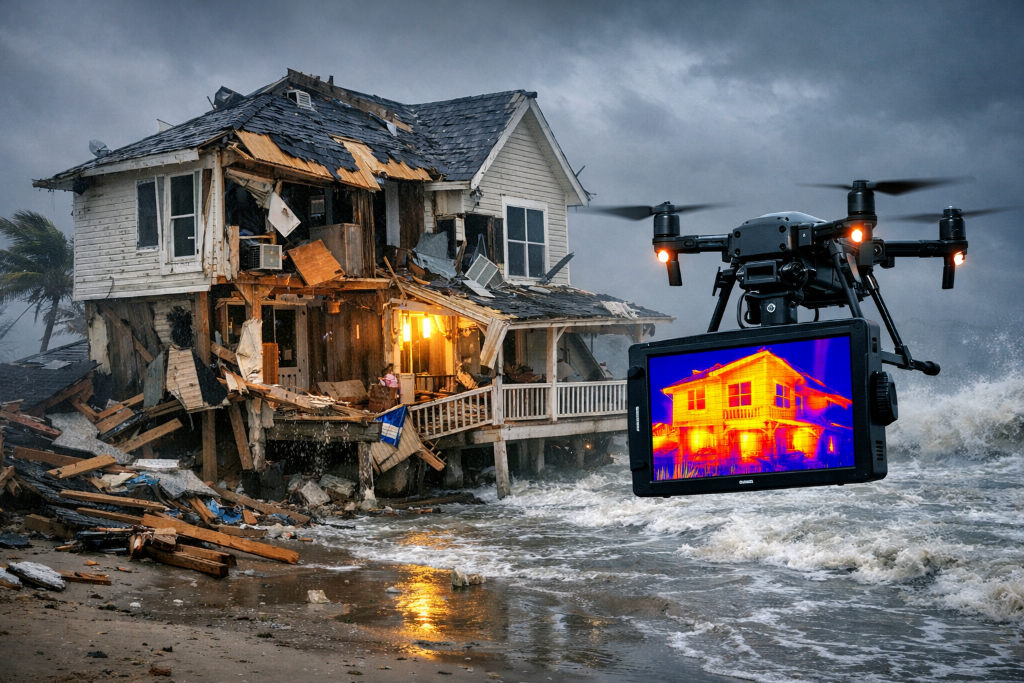
What is Thermal Roof Inspection?
Thermal (infrared) roof inspection uses specialized cameras that detect temperature differences across your roof surface. These temperature variations reveal moisture intrusion, insulation failures, and structural issues invisible to the naked eye.
How Thermal Imaging Works
During the day, the sun heats your roof. As it cools in the evening, wet areas retain heat longer than dry areas. Our thermal cameras capture these temperature differences, showing:
- Active leaks and moisture intrusion
- Saturated insulation
- Poor drainage areas
- Missing or damaged insulation
- HVAC system inefficiencies
Benefits Over Traditional Inspections
Best Time for Thermal Roof Inspection
Ideal conditions for thermal roof inspection:
- Evening/Night: 2-3 hours after sunset for maximum temperature contrast
- Clear Skies: No rain for at least 24 hours before inspection
- Mild Wind: Less than 15 mph for accurate readings
- Cool Ambient Temperature: Greater temperature differential
Common Issues Detected
1. Moisture Intrusion
Water trapped in roofing materials shows up as bright spots (hot areas) on thermal images. This moisture can lead to mold, structural damage, and reduced insulation effectiveness.
2. Insulation Problems
Missing, damaged, or improperly installed insulation creates temperature patterns that waste energy and increase heating/cooling costs.
3. Air Leaks
Thermal imaging reveals air infiltration points where conditioned air escapes, driving up energy bills and reducing comfort.
Commercial vs Residential Applications
Commercial Buildings: Large flat roofs benefit most from thermal inspection. Quick identification of problem areas can save tens of thousands in repair costs. Ideal for:
- Warehouses and distribution centers
- Manufacturing facilities
- Shopping centers and malls
- Office buildings
- Schools and hospitals
Residential Buildings: Multi-family housing, apartment complexes, and large homes benefit from thermal roof inspection for preventive maintenance.
Cost vs Value
Professional thermal roof inspection typically costs $500-$2,000 depending on building size. Compare this to:
- Commercial roof replacement: $15,000-$50,000+
- Water damage repairs: $5,000-$20,000
- Mold remediation: $3,000-$10,000
Early detection through thermal imaging pays for itself many times over.
What You Receive
A professional thermal roof inspection delivers:
- High-resolution thermal images with temperature data
- Visual light images for comparison
- Detailed report identifying problem areas
- Severity assessment for each issue
- Recommended repair priorities
- Digital files for insurance or contractor use
Frequency Recommendations
- Annual: Commercial buildings with known issues
- Every 2-3 Years: Preventive maintenance for all commercial roofs
- After Major Storms: Document any new damage
- Before Purchase: Due diligence for property transactions
- Warranty Inspections: Document roof condition during warranty period